

There can be no doubt that the consumer landscape in 2021 has dramatically changed compared to previous years. Thanks to a global pandemic, all businesses, no matter the industry, are being forced to adapt in order to survive and brands that are not proactive or able to adjust will be left behind.
In this blog post we highlight some key consumer behaviours that shifted in 2020 and are set to continue well beyond 2021.
E-commerce is king
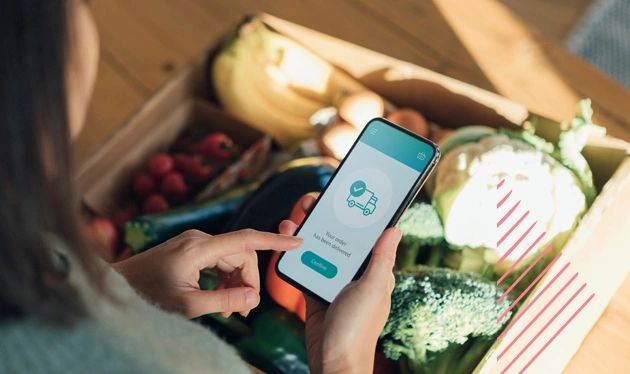
Government restrictions and general fear of the virus has had a massive impact on ecommerce spending patterns. Where previously local consumers were hesitant to exercise spending power online (especially the 55-64 age group) the need to stay at home has tipped the scale. Many brands have managed to pivot in order to continue to supply their existing customer base and in doing so capture a whole new market.
One area where this is most prevalent is in online grocery shopping. Convenience apps that have swiftly filled a gap in the market for groceries, fast food and essential items, have reported as much as 500% growth in online sales. Even as the numbers start to level out, current reports are that customer retention for online grocery shopping remains strong and due to the uncertainty of the future, this trend is expected to continue to grow throughout 2021 as confidence in online shopping grows and convenience supplements the concern of venturing outside.

Education Adapted
Another area that has been significantly influenced by both fear of Covid-19 and government legislation is education. Globally, schools have been placed under restrictions and this has driven a massive shift to online learning. Parents are more involved than ever in the direct education of their children and teachers are leaning heavily on platforms that facilitate this. Additionally, other e-learning platforms have seen growth thanks to various ‘lockdowns’ imposed and a sudden availability of time, thus boosting adult education and interest in self improvement. Businesses have excelled that are able to connect students with the experts to help facilitate this new interest in development.
It is also worth mentioning that people are generally relying on social media and online media platforms for the supply of news and information, so there is growth and potential for brands to educate both formally and informally.
Social Attitudes
Living through a global pandemic has invoked an emotional response among consumers. Never more so than for international brands, but local business could benefit from this shift too. Consumers are more invested than ever before in the ethics behind a business; environmental impact continues to be a point of interest of course, but further to that, brands are being called to state their position on other issues such as the #blacklivesmatter movement in the US or the drive to end gender based violence here at home. This shift in brand transparency could very well be the factor that sets one business apart from another in 2021. Never before has a generation been more in a position to want to learn and grow and adapt to issues that directly affect them.
Hyperlocal loyalty
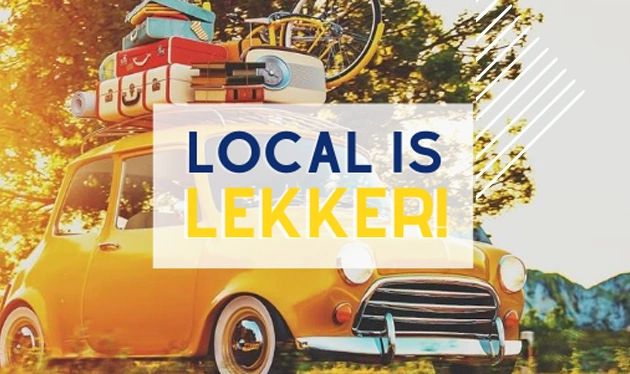
Support for local business has strengthened as supply chains are disrupted and consumer focus is narrowed. The threats to communities caused by the pandemic are emotionally driving brand loyalty and consequently consumer spending. For small businesses who are most at risk, tapping into this new surge of interest and adapting to accommodate local deliveries can mean the difference between success or failure. Brands need to find a way to meet consumers where they are.

From Public to Private
Another development in consumer behaviour as a result of the pandemic is a shift from an outward to an inward lifestyle. The new trend in online living along with general fear of Covid-19 has created ‘nesting’; homes are now the new coffee shop, restaurant, gym and entertainment venue.
Online streaming platforms have seen massive growth and entertainment in general has increased all round as people have more time on their hands and are finding new ways to connect with their friends and family. Fitness remains important and consumers have new and innovative ways to exercise, but all in the safety of their homes.
Health matters
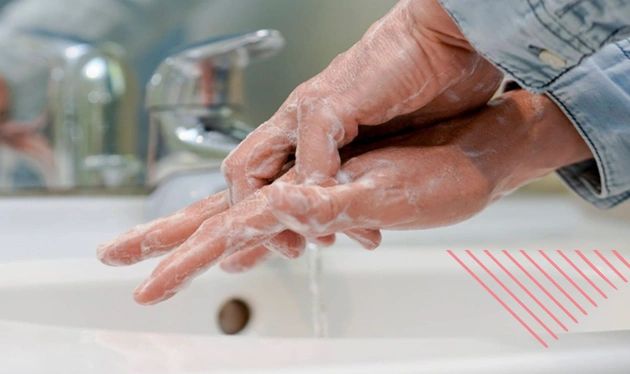
As would be expected hygiene has taken a massive leap to the forefront of consumer behaviour, penetrating every aspect of daily life. In addition to maintaining home based fitness, consumers are more than ever interested in what they eat and how they live. This has created an interest in organic, locally grown foods, healthier eating habits and the use of natural alternatives to some products. Consumers are making more conscientious choices in their purchases that lean into their beliefs about the environment and sustainability. This in turn speaks to the shift in local buying behaviour as well as the need for expert assistance or guidance
With such drastic changes to the way all consumers are spending, targeting this newly transformed market will require a shift in strategy for 2021 and beyond. Consumer behaviour has quickly adapted to form a new normal with which brands will need to align.
Your Marketing Team believe that every business has the capacity to excel even during such difficult times, and are on stand-by to ensure your business has an effective, recalibrated marketing strategy that fully embraces the current landscape.
Contact us if your business needs marketing expertise to navigate and thrive in the new reality.
Share this post: