

BRAND ASSETS: HOW TO IDENTIFY AND LEVERAGE THEM
Your Marketing Team explains what you need to know in order to identify and effectively utilise your most valuable brand assets.

WHAT ARE BRAND ASSETS?
A brand consists of distinguishable characteristics – the things that make a business stand out from their competition (tangible and intangible). There are many factors that make a brand identifiable and relatable: The business name, logo, slogan or tagline, unique value propositions, your brand voice, icons, colour palette and brand CI, packaging – even a mascot. While these elements all play a role in your brand identity, only some qualify as true brand assets.
According to the Ehrenberg-Bass Institute of Marketing Science, brand elements like those described above should be considered assets if they meet two important criteria:
- The brand element is unique – it can instantly be associated with your brand in the minds of consumers.
- The brand element is well-known – most or all consumers should recognise the element as representation of your brand.
However, brand assets should also serve to reinforce your company’s core values and convey the benefits that your business promises to deliver. Businesses that have successfully accomplished this include:
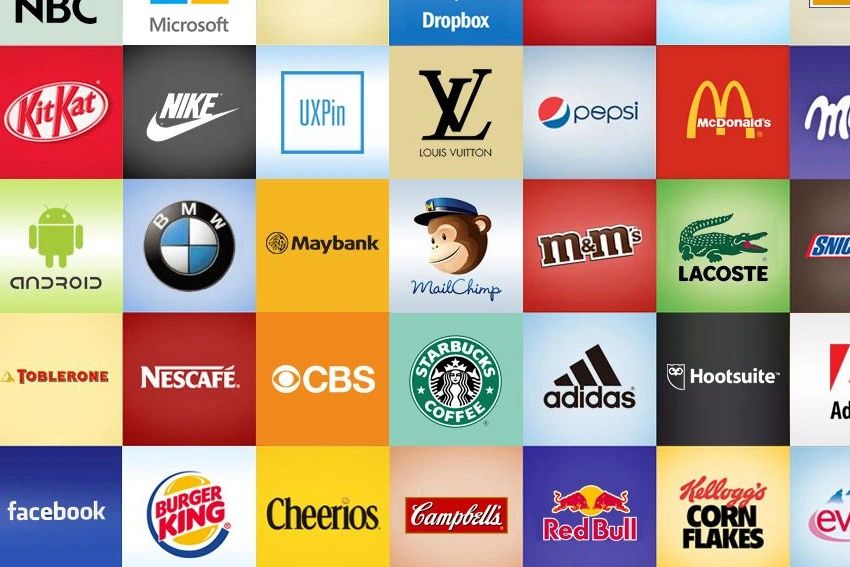
- The Nike tick symbol
- KitKat slogan ‘Have a break, have a KitKat’
- Coca-Cola’s bottle shape and red branding
- McDonald’s golden arches and mascot (Ronald McDonald)
- Duracell famous bunny character
Any business can develop a distinctive asset over time – by consistently presenting the element with other brand assets. However, many companies already have valuable brand assets, but they have not yet identified them as such, as they may still be unaware of their power, influence or existence.
HOW TO IDENTIFY YOUR BRAND ASSETS
1. AUDIT YOUR EXISTING BRAND ELEMENTS
Compile a list of brand elements that you believe may be distinctive brand assets for further evaluation. Include historical elements that have been associated with your brand in the past that may no longer be utilised – as well as listing your future plans/ideas.
2. GET FEEDBACK AND COLLECT DATA
Ask your target audience which brands (from your industry) they associate with particular elements. Be sure to collect contextual data on those consumers, such as how familiar they are with your brand and the category, as well as demographic and psychographic data .
3. INTERPRET FINDINGS
What percentage of consumers associate a particular element with your brand, and how quickly do they make this association? The answers to these questions indicate how prominent the element is. How does this element compete with those of your competitors? This answer indicates the degree of the brand assets uniqueness.
By assigning scores for prominence and uniqueness based on consumers’ responses, you can then begin to plot your findings within one of the below four categories to determine their value:
1. Avoid
Elements that are likely to be associated with competitors’ brands.
2. Use or Lose
Elements that can be used to supplement (or replace) your brand name in advertising or other brand materials.
3. Ignore or Test
Elements that are not recognised by your audience and will require a lot of work to develop value as a potential brand asset.
4. Invest Potential
Elements that have potential as brand assets but require further development through consistent use.
HOW TO LEVERAGE BRAND ASSETS
When you’ve identified your distinctive brand assets, rely on the below practices to continue developing your brand assets and reap the benefits:
- Use them constantly to maintain brand association
- Leverage a digital asset management solution to keep brand assets organised
- Trust your audience, consumer feedback is the only way to assess the true strength of a brand asset
- Use the same brand elements across digital and physical worlds
- Keep an eye on your competition
- If you’re developing a new brand asset, always use it in conjunction with your brand name until you’ve evaluated its brand association among consumers.
BENEFITS OF BRAND ASSETS
Brand assets can help to strengthen effectiveness of your communication. Many consumers attribute ads they recognise to the wrong brand, creating a missed opportunity – you might even be giving your competitors an advantage. By leveraging your distinctive brand assets across your all marketing communication, you’ll increase association, stay top of mind and get more traction resulting in profitable wins by increasing sales conversions. The buyer’s journey has become very complex hence advertising and other lead-nurturing messaging may be mostly forgotten by the time a buyer reaches the decision-making juncture. So make sure you create a consistent link across those important messages and help consumers more easily identify you and associate your product or service benefits and value propositions with your brand at all stages of the purchase decision funnel.
Let’s help you and your team review your current brand assets and create a plan to take your brand to new heights by correctly utilising your existing greatness.